
The accuracy of this tester is impressive. It helps us ensure our materials meet strict fire safety standards without any compromise

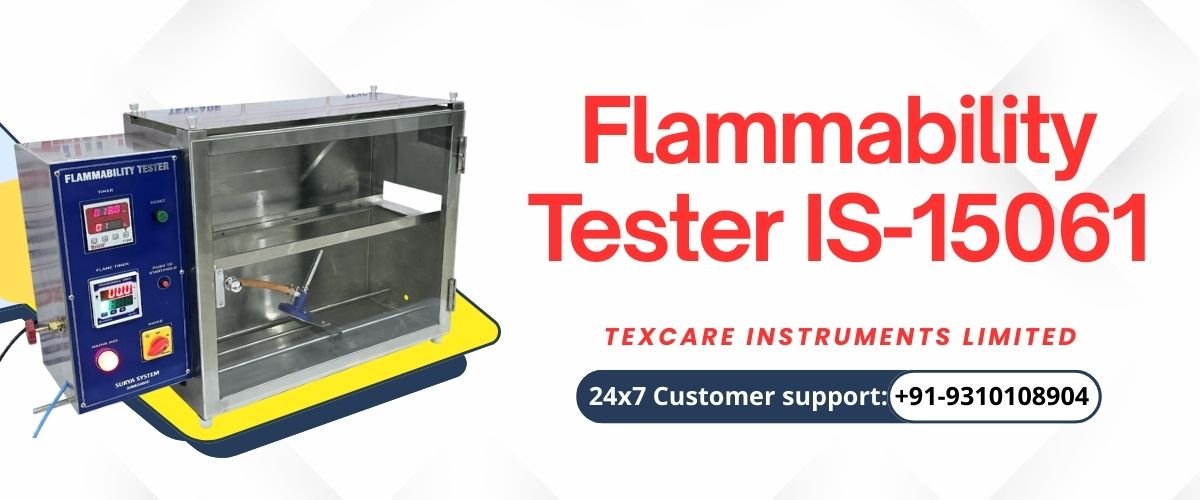
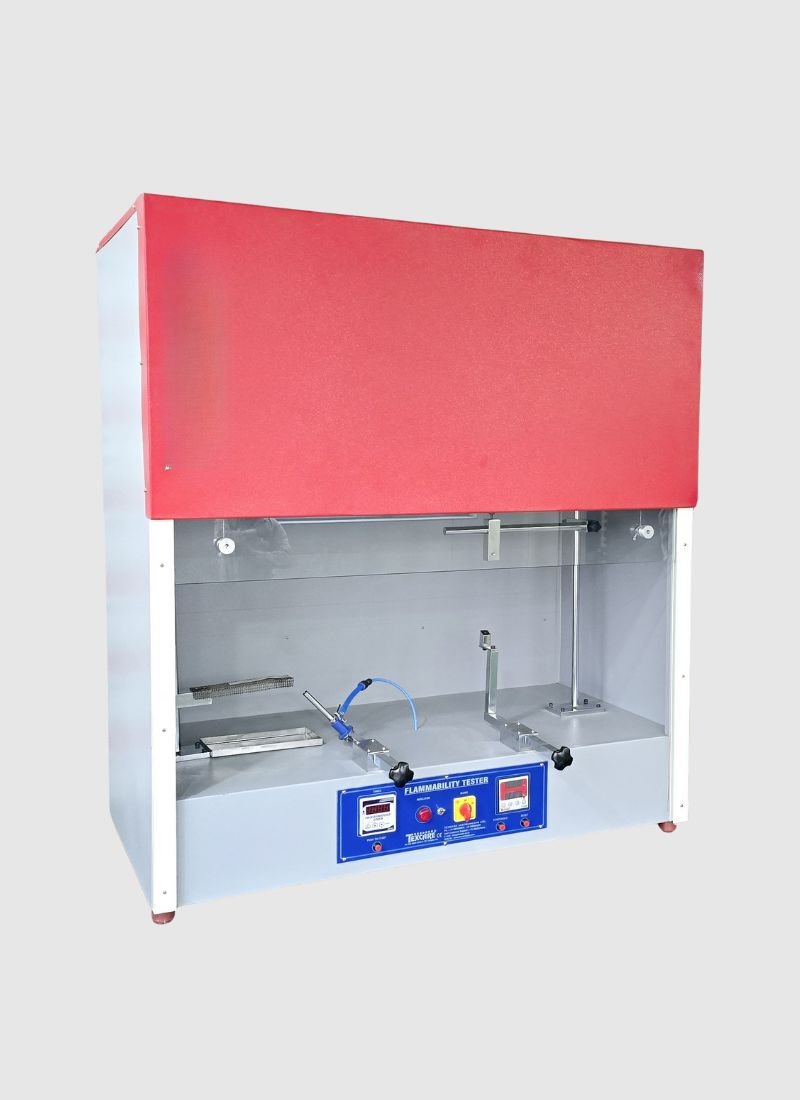
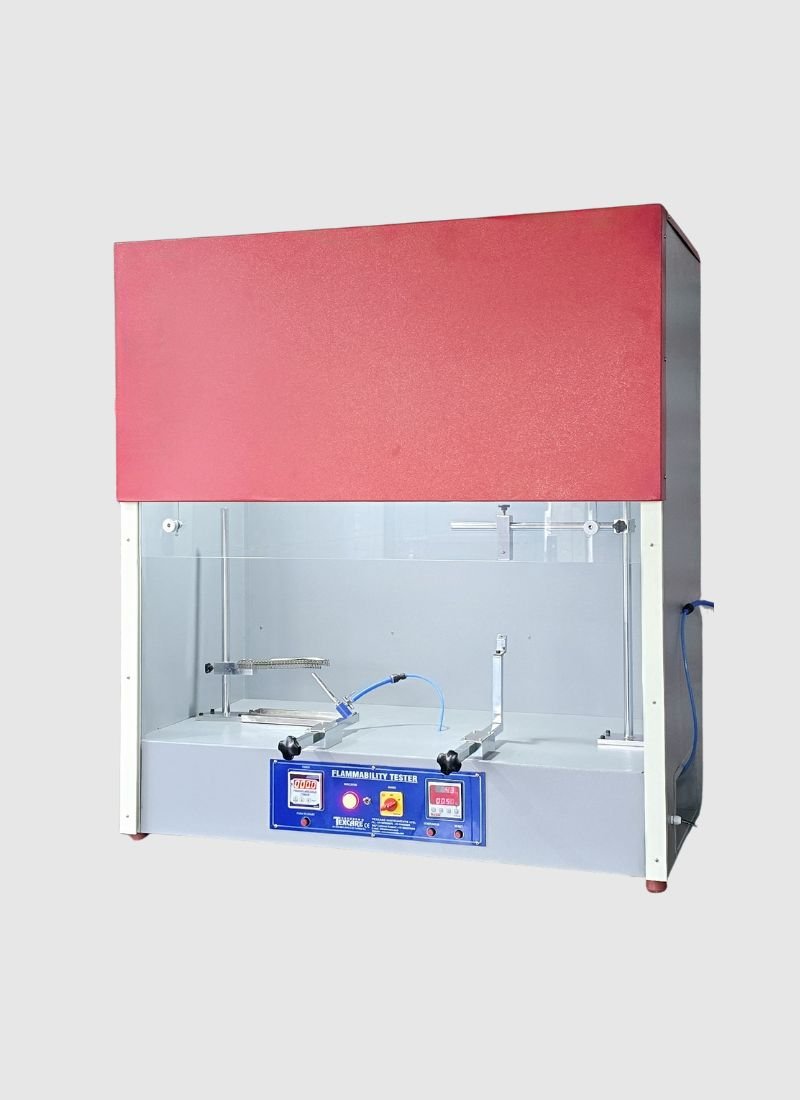
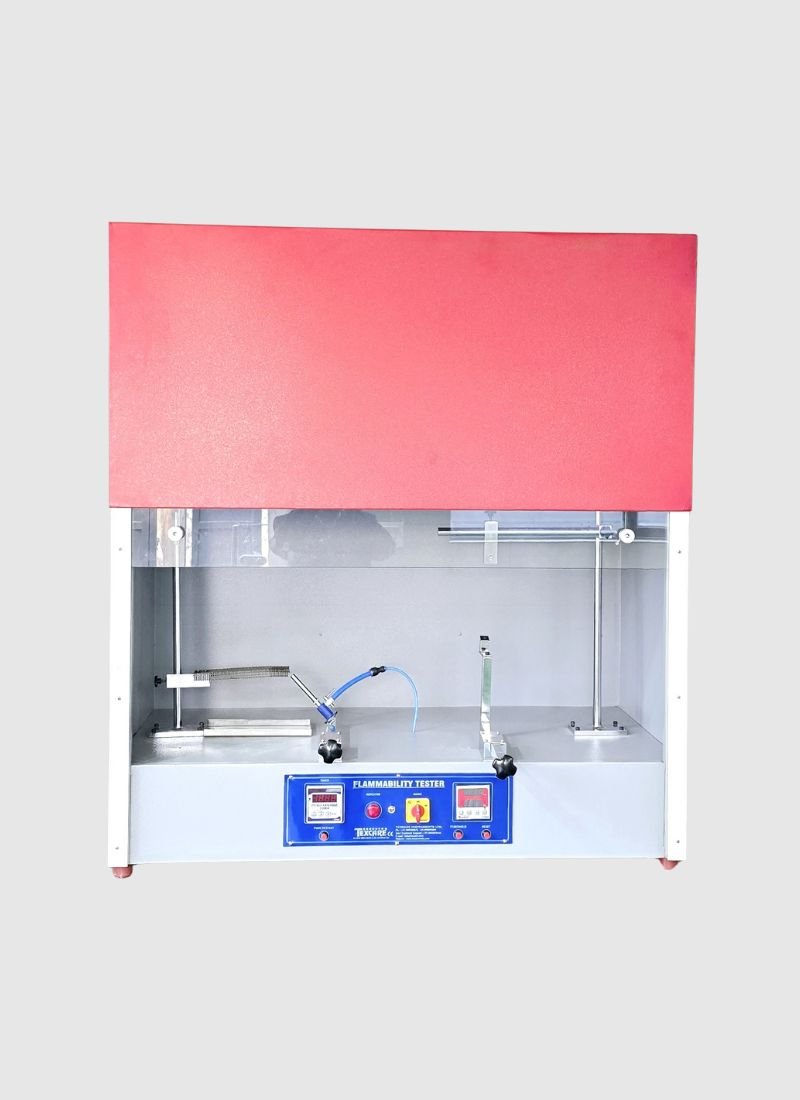
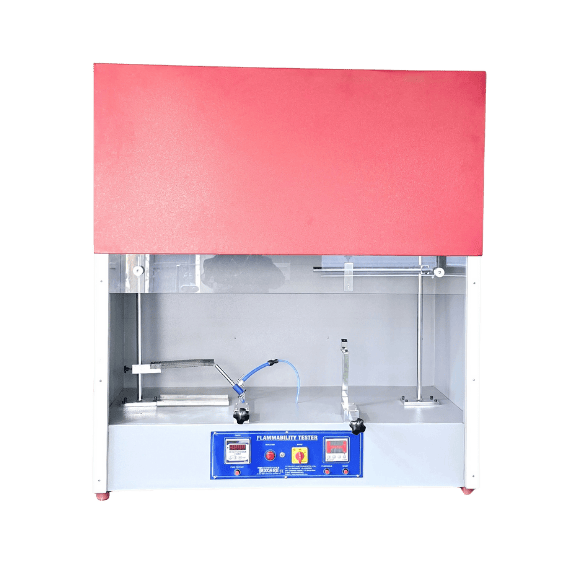
Safety from fire is a requirement in modern textile and manufacturing material. From home furnishing, clothing to protective textile, materials are put in front for flame exposure. This is an essential instrument that evaluates and meets all regulatory safety standards. This tester is helpful for customer safety, that is why manufacturers use this tester for better understanding of fire ignition.
As consumer awareness increases with strict regulations for flammability testing, this becomes a long-term requirement. Through this tester, product acceptance chances increase in domestic as well as international markets.
This tester is used to check ignition, flame spread, and burning under controlled conditions. This type of instrument helps to tackle real-life situations by measuring parameters like flame spread, burning rate, and after-flame time.
In vertical flammability tester, flame moves upward, which is important because when flame goes upward, specimen capability is checked for how much time it can bear flame. In other type of tester, horizontal burning rate is measured through horizontal tester. Controlled application and testing conditions are followed on specimen. After test, readings show product quality, which enhances chances of selection.
According to global standards, testing is performed such as:
Through this test, performance is evaluated with accuracy in textile industries where flame resistance is important. Protective clothing is tested under ISO 15025 standard.
Flammability tester is used for:
Material is important because when it is fully tested under tester, ignition value and its impact on fabric structure can be calculated.
Find answers to common questions about flammability testing, flame resistance standards, fire safety compliance, and our advanced testing equipment for textile and fabric applications.
As textile spread fire rapidly, if it is tested under flammability testing then user can get idea about protection and it shows safety regulation.
Protective garments, nonwoven, textile, upholstery, automotive and various type of industrial material.
When flame is applied under controlled condition and followed parameters like flame spread and burning rate, all are measured.
Four commonly used standards like IS, BS, ASTM and ISO are used for evaluation of textile flammability.
Flame resistance is inbuilt property of the specimen and flame retardancy is chemical treatment used to slow burning.
Trusted by industry professionals for reliable flame resistance measurements and safety compliance across all textile applications.
The accuracy of this tester is impressive. It helps us ensure our materials meet strict fire safety standards without any compromise
This Flammability Tester is a great addition to our lab. It is user-friendly, efficient, and provides dependable results for all our testing needs
A dependable and efficient testing solution. The machine delivers quick and reliable results, making it an essential part of our quality control process.
Our research on flame retardant textile treatments relies heavily on Texcare's flammability testing equipment. The reproducible results and ISO 15025 compliance have made product development faster and more efficient. Outstanding technical expertise from their team throughout our partnership.